


Simple, delicious combinations to try at home or during your visit to wine country. Wine and food pairing doesn’t need to be complicated. At its heart, it’s about finding combinations that make both the wine and the dish taste better together than they would alone.
Bordeaux wines happen to be incredibly food-friendly. The region’s reds, whites, and sweet wines each bring something different to the table. Literally. In this guide, we’ll share practical pairings that actually work. No sommelier degree required.
Why Bordeaux Wines Pair So Well with Food
Bordeaux wines weren’t created to be sipped alone. They evolved alongside French cuisine over centuries. The winemakers here have always thought about food. A few things make Bordeaux wines especially versatile at the dinner table.
Acidity: Both red and white Bordeaux wines have good acidity. This acts like a squeeze of lemon, cutting through rich foods and refreshing your palate between bites.
Structure: Bordeaux reds have tannins that interact with proteins in meat. This is why a juicy steak tastes even better with a glass of red Bordeaux. The tannins soften while the meat’s flavors intensify.
Balance: Bordeaux winemakers prioritize balance over power. The wines don’t overpower food. Instead, they complement it.
Pairing Bordeaux Red Wines
Bordeaux reds are blends, typically combining Cabernet Sauvignon, Merlot, and Cabernet Franc. The style varies depending on where the wine comes from.
Left Bank reds (Médoc, Margaux, Pauillac, Saint-Estèphe) tend to be more structured. They have firmer tannins and flavors of blackcurrant, cedar, and tobacco.
Right Bank reds (Saint-Émilion, Pomerol) are softer and more approachable. Expect plum, cherry, and chocolate notes with silkier tannins.
Classic Pairings for Bordeaux Reds
Steak: This is the iconic match. A grilled ribeye or entrecôte with a Left Bank Bordeaux is heaven. The wine’s tannins soften against the fat and protein. The meat brings out the wine’s fruit. Simple, perfect.
Lamb: Roasted leg of lamb with herbs is a Bordeaux classic. The wine loves lamb’s slightly gamy flavor. Add some rosemary and garlic, and you’re in business.
Duck: Duck confit is a Southwest France specialty. The rich, fatty meat pairs beautifully with a medium-bodied Saint-Émilion. The wine’s acidity cuts through the richness.
Beef stew or braised dishes: Hearty dishes like beef bourguignon or daube work wonderfully. The wine’s structure stands up to rich sauces. A Right Bank Merlot-dominant blend is ideal here.
Hard cheeses: Aged Comté, Gruyère, or even aged Gouda complement Bordeaux reds nicely. The cheese’s nuttiness echoes the wine’s complexity.
Tips for Pairing Bordeaux Reds
Young Bordeaux reds with firm tannins need protein-rich foods. Think grilled meats or aged cheeses. Older Bordeaux wines are more delicate. Pair them with simpler preparations. A perfectly roasted chicken works beautifully with a mature Bordeaux. Avoid very spicy foods with tannic reds. The tannins can clash with heat, creating a bitter sensation.
Pairing Bordeaux White Wines
Bordeaux whites don’t get enough attention. They’re made primarily from Sauvignon Blanc and Sémillon. The style ranges from crisp and zesty to rich and complex. Dry white Bordeaux from Pessac-Léognan and Graves can be exceptional. Many age as well as the reds.
Classic Pairings for Bordeaux Whites
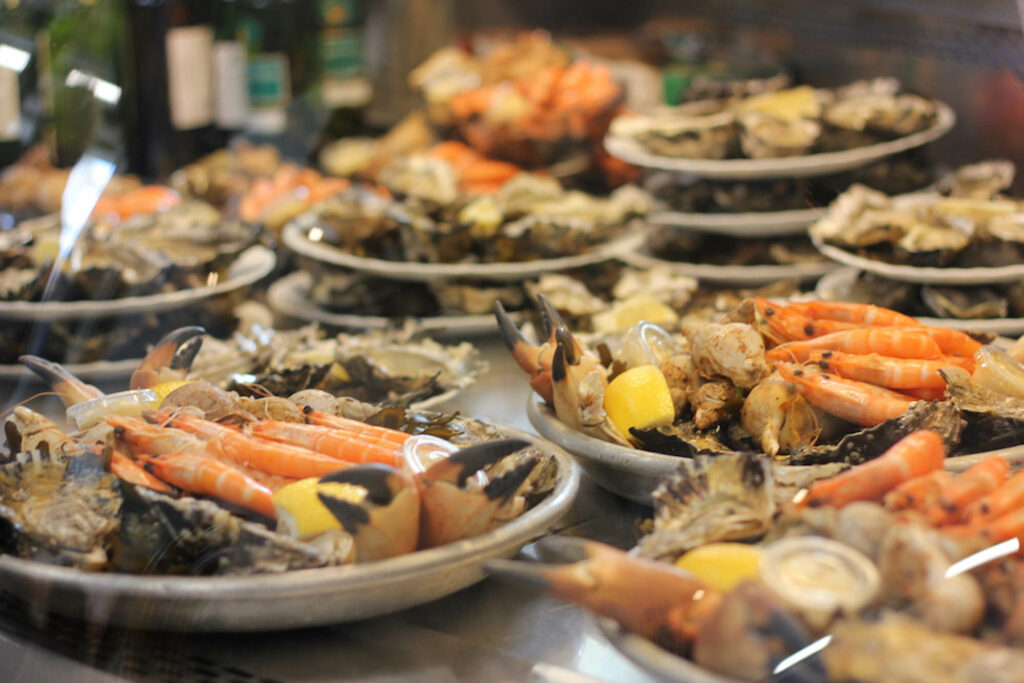
Oysters: This is the quintessential Bordeaux pairing. Fresh Atlantic oysters with a chilled white Bordeaux is pure magic. The Arcachon Bay, just west of Bordeaux, produces some of France’s best oysters. The wine’s minerality and citrus notes highlight the oysters’ brininess.
Grilled fish: Simple grilled sea bass, sole, or turbot with lemon and herbs pairs perfectly. The wine won’t overpower delicate fish flavors.
Shrimp and shellfish: Grilled prawns, scallops, or lobster love white Bordeaux. The wine’s acidity brightens the shellfish’s natural sweetness.
Roasted chicken: A classic roast chicken with a creamy sauce is excellent with a richer white Bordeaux. Look for wines with some Sémillon for extra body.
Goat cheese: Fresh, tangy chèvre is a natural match. The wine’s acidity mirrors the cheese’s tanginess. Add a simple salad and you have a perfect light lunch.
Tips for Pairing Bordeaux Whites
Crisp, Sauvignon Blanc-dominant whites work best with lighter dishes. Think salads, raw seafood, and fresh vegetables. Richer, Sémillon-dominant whites can handle cream sauces and buttery preparations. Serve white Bordeaux well-chilled but not ice cold. Around 10 to 12°C (50 to 54°F) is ideal.
Pairing Bordeaux Sweet Wines
Bordeaux’s sweet wines are legendary. Sauternes and Barsac produce some of the world’s finest dessert wines. These golden wines get their character from “noble rot,” a fungus that concentrates the grapes’ sugars and flavors. Good Sauternes balances intense sweetness with vibrant acidity. This balance is what makes them so versatile at the table.
Classic Pairings for Bordeaux Sweet Wines
Foie gras: This is the legendary match. The wine’s sweetness and acidity cut through the liver’s richness. The combination creates something greater than either element alone. Every serious restaurant in Bordeaux offers this pairing.
Roquefort cheese: Sweet wine and blue cheese is a classic French combination. The wine’s honey notes complement the cheese’s salty, pungent character. The contrast sounds odd but works brilliantly.
Fruit-based desserts: Tarts featuring stone fruits (peaches, apricots, plums) pair beautifully. Avoid chocolate, which can overwhelm the wine’s delicate flavors.
Crème brûlée: The caramelized sugar top echoes the wine’s honeyed notes. A perfect end to a meal.
Asian cuisine: This is a less traditional but excellent pairing. The sweetness balances spicy Thai or Vietnamese dishes. The combination is increasingly popular among sommeliers.
Tips for Pairing Bordeaux Sweet Wines
The wine should always be sweeter than the dessert. Otherwise, the wine tastes flat and acidic. Don’t reserve Sauternes only for dessert. It works beautifully as an aperitif with salty snacks or as a first course with foie gras. Serve sweet Bordeaux chilled, around 8 to 10°C (46 to 50°F). Too warm, and the sweetness becomes cloying.
Local Bordeaux Pairings to Try
When you visit Bordeaux, these are the regional combinations you’ll find on local tables.
Entrecôte à la Bordelaise: Ribeye steak with a red wine and shallot sauce. Paired with a Médoc or Haut-Médoc red. This is Bordeaux comfort food at its finest.
Lamproie à la Bordelaise: Lamprey eel cooked in red wine. It’s an acquired taste but a true regional specialty. Traditionally paired with aged Saint-Émilion.
Oysters from Arcachon: Fresh oysters with grilled local sausages (yes, really) and chilled white Bordeaux. Locals eat this combination at the oyster shacks along the bay.
Canelés: These small, caramelized pastries are a Bordeaux icon. The rum and vanilla flavors pair surprisingly well with a young Sauternes.
Duck dishes: The Aquitaine region is famous for duck. Confit, magret (duck breast), and foie gras all appear regularly. Each works with different Bordeaux wines.
Simple Guidelines to Remember
You don’t need to memorize every pairing. Just keep these principles in mind.
Match weight with weight. Light wines go with light dishes. Rich wines go with rich dishes. A delicate fish would be overwhelmed by a powerful Pauillac. A hearty beef stew would crush a light white Bordeaux.
Consider the sauce. Often, the sauce matters more than the protein. Chicken with a red wine reduction might pair better with red Bordeaux than white.
Regional pairings usually work. Foods and wines from the same region evolved together. Bordeaux wines pair naturally with Southwest French cuisine. When in doubt, go local.
Acidity loves fat. High-acid wines cut through rich, fatty foods. This is why oysters and white Bordeaux work so well. The wine’s acidity refreshes your palate.
Trust your own taste. These guidelines are starting points, not rules. If you love a combination that “shouldn’t” work, enjoy it anyway. Wine is meant to bring pleasure.
Experience Bordeaux Wine and Food Together
Reading about pairings is one thing. Tasting them in the region where they were perfected is something else entirely. During a visit to Bordeaux, you’ll experience these combinations in context. You’ll taste a Saint-Émilion alongside duck confit in a village restaurant. You’ll enjoy oysters and white wine at a seaside shack in Arcachon. You’ll discover why these pairings became classics in the first place. The wines taste different here. The food tastes better. And the memories stay with you long after you’ve returned home.
If you’d like to explore Bordeaux’s wines and cuisine with a local guide, get in touch. We love sharing these flavors with visitors. Santé!
Sources
- Wine Folly, “How to Pair Wine and Food: The Basics” (winefolly.com)
- Decanter Magazine, “The Art of Food and Wine Pairing” (decanter.com)
- Conseil Interprofessionnel du Vin de Bordeaux (CIVB), official wine pairing guidelines (bordeaux.com)
- Bordeaux Wine Council, regional cuisine traditions (guide-bordeaux-gironde.com)