


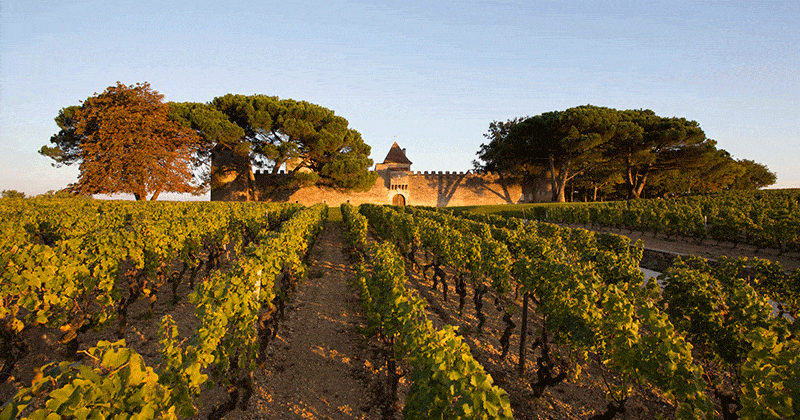
While walking through a vineyard in Sauternes on an October morning, the grapes look wrong. That’s usually the first reaction, walking through a Sauternes vineyard in October. Shriveled, dusted grey, some of them practically collapsing in on themselves, like something went badly off. But the winemaker next to you isn’t worried. She’s been waiting for exactly this, the start of noble rot.
That grey coating is a fungus called botrytis cinerea. Most of the time, it’s bad news for a vineyard. But every once in a while, under a very specific set of conditions, it turns into something winemakers are looking for. The French call it pourriture noble (noble rot) and it’s the reason Sauternes exists.
How a Fungus Becomes Noble Rot
It’s the exact same organism either way, which is the strange part. Grey rot, winemakers call it, when botrytis lands on grapes that aren’t ripe yet or have thin, damaged skins. It just rots them, plain and simple, and every winemaker dreads that version.
Something else happens on ripe, healthy grapes with their skins intact. Rather than tearing the skin open, the fungus pokes tiny holes through it. The grape doesn’t get destroyed. It just starts, very slowly, to change.
Why This Happens Here, of All Places
This small miracle comes down to geography, really, and we think about it every harvest season. A little river called the Ciron runs cold and narrow into the much warmer Garonne, right through this corner of Bordeaux. Where the two meet, you get fog, real, thick, low-lying fog, most mornings from late summer into autumn.
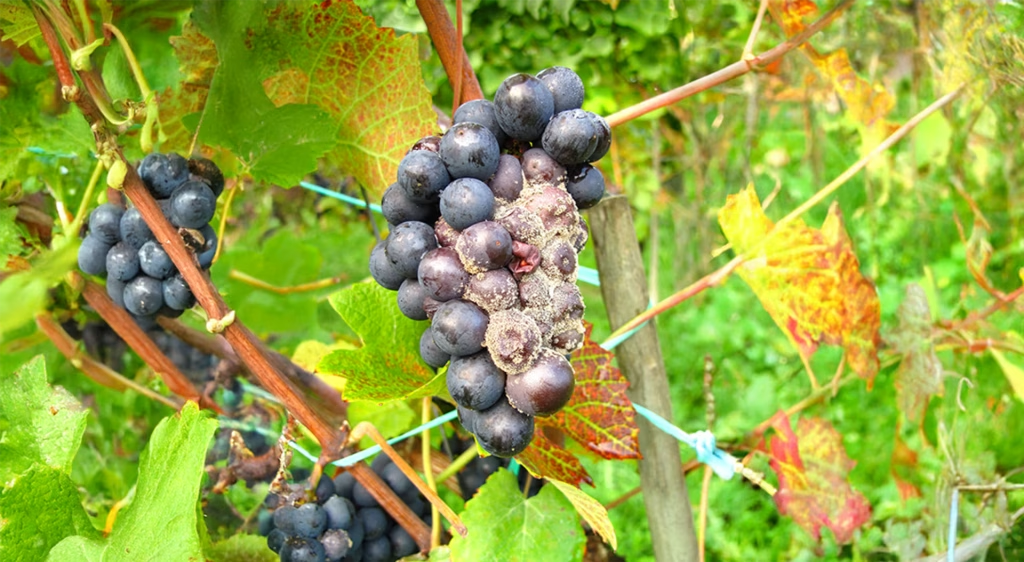
That foggy mist is what wakes the botrytis up. It needs moisture to get started. But if the fog just sat there all day, it would rot everything outright. What saves the grapes is the afternoon sun. It burns the mist off, dries the skins, and slows the fungus down just enough that it works patiently instead of destructively. Morning damp, afternoon warmth, over and over, for weeks. Take away either half of that rhythm and none of this works.
What’s Actually Happening Inside the Grape
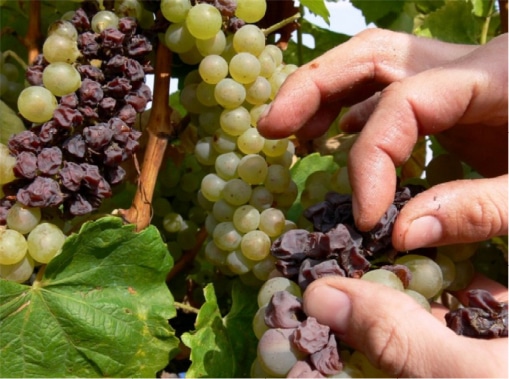
The grape starts losing water through those pinprick holes, slowly, kind of the way a raisin forms, except nothing about this is left to chance. Sugar stays behind. So does the acid, the flavor, all of it, just getting more concentrated as the water disappears.
That’s why the grapes end up looking almost unappetizing by the time they’re picked. Small, wrinkled, dusty. And it’s exactly why the wine made from them can taste like apricot and honey and orange peel all folded together, in a way that feels natural rather than manufactured, because in a sense, it was concentrated by the weather itself, not by anyone in a cellar.
Why Harvest Here Looks Nothing Like Harvest Anywhere Else
One thing that always surprises people is that botrytis doesn’t move evenly through a vineyard. One cluster might be perfect. The grape right next to it might still be a week away, or might have tipped into ordinary rot instead of the noble kind.
So pickers can’t just come through once. They walk the same rows again and again over several weeks, sometimes five or six passes, choosing only the berries that are ready that day. In some vineyards it really does come down to someone pulling individual grapes off a bunch by hand. It’s slow, it’s exhausting, and it’s a big part of why a good bottle of Sauternes isn’t cheap.
And Some Years, It Just Doesn’t Happen
This is the part that keeps winemakers here a little humble every autumn. Too much rain at the wrong moment, and botrytis turns into ordinary rot across the whole vineyard. Not enough fog, and it barely develops at all. We’ve seen vintages where a dry, sunny September, which sounds like good news for almost any other wine, meant the noble rot barely showed up, and very little proper Sauternes got made that year. No amount of skill in the cellar can talk the weather into cooperating.
Why Noble Rot Doesn’t Taste Like a Regular Sweet Wine
What keeps these wines from feeling heavy or cloying is the acidity that survives all of this. Sémillon and Sauvignon Blanc, the two grapes doing most of the work in Sauternes, hold onto their natural acid even as everything else concentrates around it. That’s what gives the wine its lift. It feels closer to biting into a very ripe peach than to drinking something syrupy.
That same balance is also why these wines age the way they do, often for decades, sometimes far longer than most reds ever manage. The sugar helps preserve it, the acid keeps it from ever going flat, and bottles from the 1980s, even earlier, are still drinking beautifully.
If the timing works out, harvest season in Sauternes is one of the more remarkable things to see up close, watching pickers move through the same rows again and again, waiting on the fog to do its work. We build tastings around it when we can, and if you’re curious what a visit here might look like, we’re always glad to talk it through.