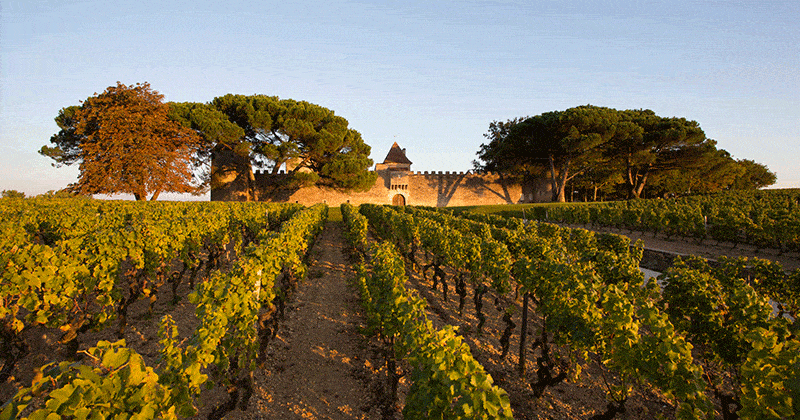
Sauternes in the early morning is weirdly quiet, quieter than anywhere else in Bordeaux. There’s usually a thick mist sitting over the vines, and it’s cold enough that you actually need a sweater, even in September. Give it twenty minutes though, and the sun burns it all off and you’re too hot in that same sweater. That swing happens almost every day during harvest, and it’s the whole reason this wine exists in the first place.
Most people only know Sauternes as a dessert wine, the small glass handed to them at the end of a long dinner, usually next to a wedge of strong, stinky Roquefort. Which is fine, but it’s also the smallest possible version of what this place actually is. Sauternes is one of the quietest, most overlooked corners of Bordeaux, tucked into the south where the little Ciron River empties into the Garonne, and there’s a lot more going on here than one sweet pour at the end of a meal.
Sauternes and Barsac Aren’t Quite the Same
Here’s something that surprises a lot of first time visitors. Barsac, the appellation just north of Sauternes, is legally allowed to put either “Barsac” or “Sauternes” on its label. Most producers choose Barsac anyway, and once you taste a few side by side, the reason starts to make sense. The soil up there is chalkier, and the wines come out lighter and more mineral than the gravel and clay wines from Sauternes proper. It’s a subtle difference. But it’s the kind of thing that turns an afternoon of tasting into an actual discovery instead of just checking a box.
Why the Mist Matters for Sauternes Wine
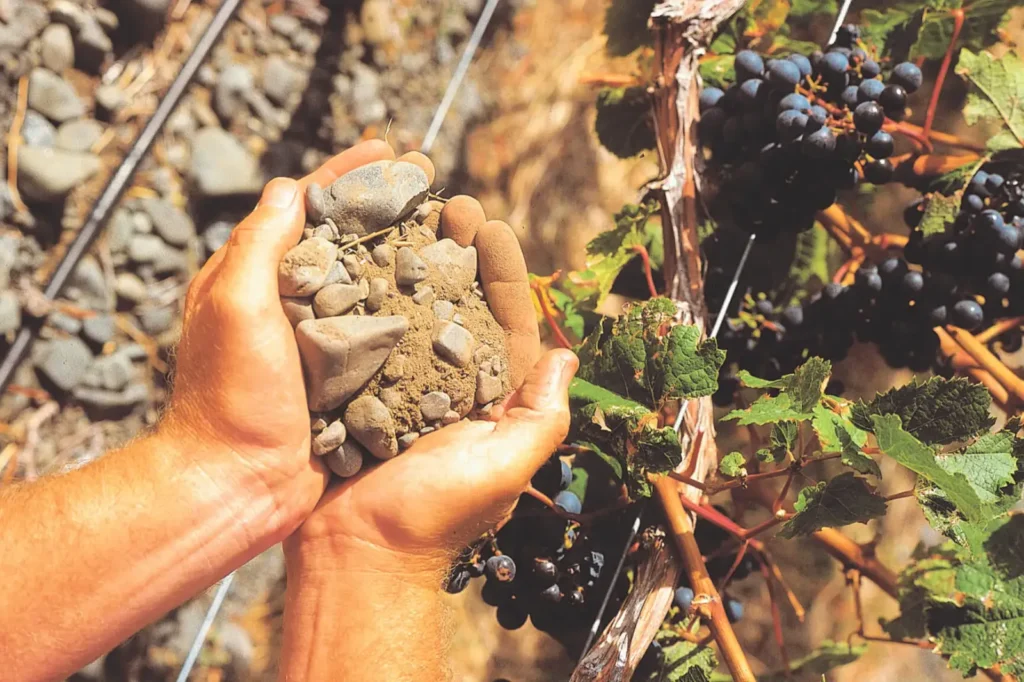
That morning mist isn’t just scenery. It’s the actual reason this wine can be made at all. It rolls off the Ciron most nights during harvest season, settles over the vines, then clears by midday. That daily back and forth of damp mornings and warm afternoons is exactly what a fungus called botrytis cinerea needs in order to take hold on the grapes.
Fungus isn’t the most appetizing word to put next to wine, but stick with it for a second. Botrytis, known as noble rot, works its way into the grape skins and slowly pulls the water out, concentrating everything that’s left behind: the sugar, the flavor, the aromatics. What’s left looks less like a grape and more like a raisin. Pickers walk the same rows again and again over several weeks, by hand, choosing only the berries that have reached exactly the right point. Wait too long and the fruit rots outright. Pick too early and you miss the whole point. It’s a gamble every single year, and that gamble is part of what makes the wine worth talking about.

Small Producers Behind Sauternes Wine
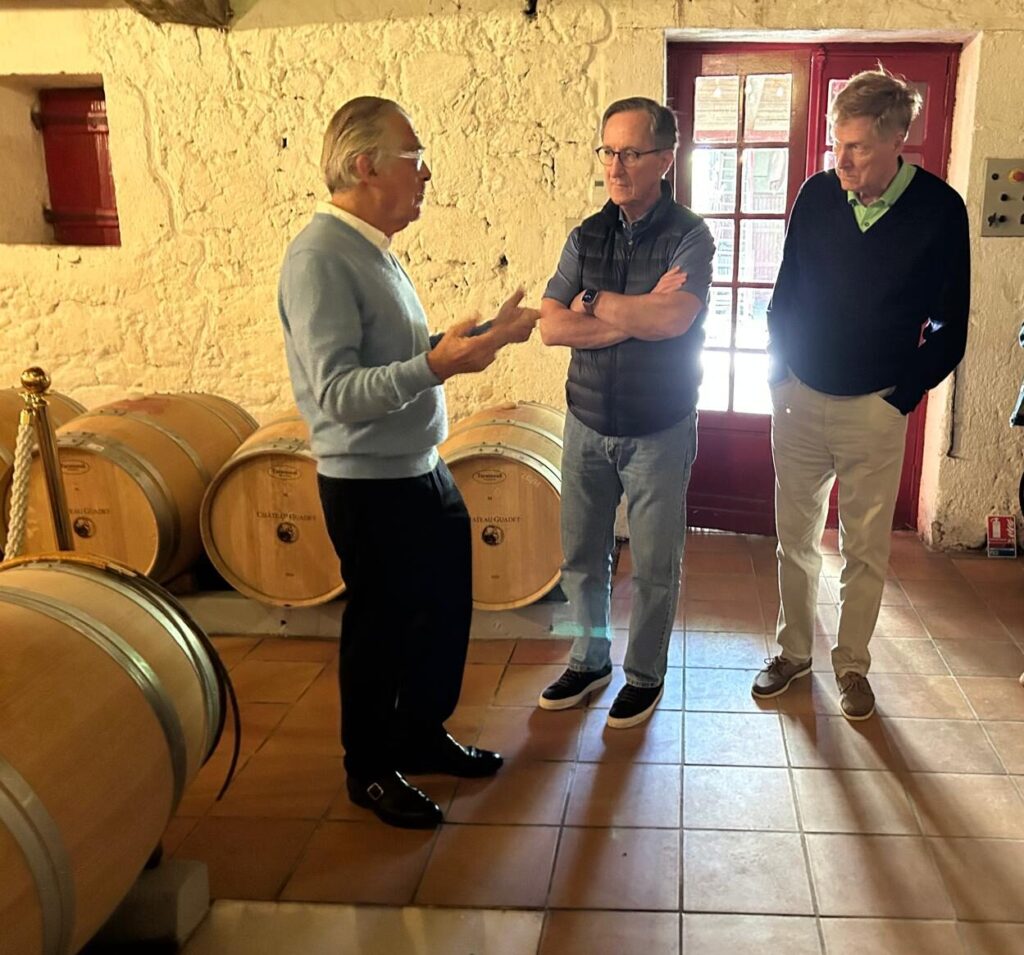
Château d’Yquem gets most of the attention, and it earns it. But some of the best moments in Sauternes happen at tiny, family run estates that most travelers, and honestly most wine lists, never mention. Places where the person pouring your glass is the same person who was out walking the rows at 6am that morning, picking berry by berry, because that’s simply how it’s always been done in their family. Pairing a visit like that with one of the bigger, more polished names gives you a much fuller picture of what this appellation is actually capable of.
“Sweet” Doesn’t Mean What People Think It Means
If most people’s entire experience with Sauternes wine is one small, slightly too cold pour at the tail end of a heavy dinner, with nothing to eat alongside it, it’s no wonder they assume it’s syrupy. A well made Sauternes has real acidity underneath all that richness, and that’s exactly what keeps it from ever feeling cloying. Tasted the right way, at the right temperature, with something on the table, it comes across as bright and layered, not heavy at all. It tends to change people’s minds almost every time they actually try it properly.
What to Put Next to the Glass
Foie gras is the classic pairing, and it works for a reason. But it’s far from the only option. Try it with a good blue cheese. Try it with roast chicken finished in butter. Try it with anything that has a bit of heat to it, since the sweetness cuts right through spice in a way a dry white never quite manages. Even a small bowl of salted almonds next to a chilled glass on a warm afternoon makes a strong case on its own, no food pairing required.
Autumn Here Feels Different
Time a trip for harvest, roughly September into October, and you’ll catch the region at its most alive and its most still, all at once. Pickers moving through the rows before the heat comes up. Mist clinging low to the ground longer than you’d expect. A kind of hush over everything until the sun finally breaks through. It all moves at a different pace than the rest of Bordeaux that time of year, slower and more deliberate.
We usually build a Sauternes wine visit as a half day, often paired with a stop in nearby Graves and Pessac Léognan, with time carved out to actually sit with the wine instead of rushing through it. If this slower, sweeter side of Bordeaux sounds like something worth weaving into your own trip, we’d love to help you plan a day around it.